


- Project Title: iMesure
- CEA Collaborators: NIMBE LICSEN
- External Collaborators: DesignSpot
- Funding: IDEX Paris-Saclay, PocInLab
- Start Date: 2017
- Project Status: Functional prototype
- Keywords: measurement, source, electronics, electrochemistry, design
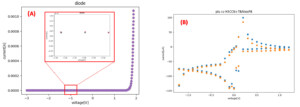
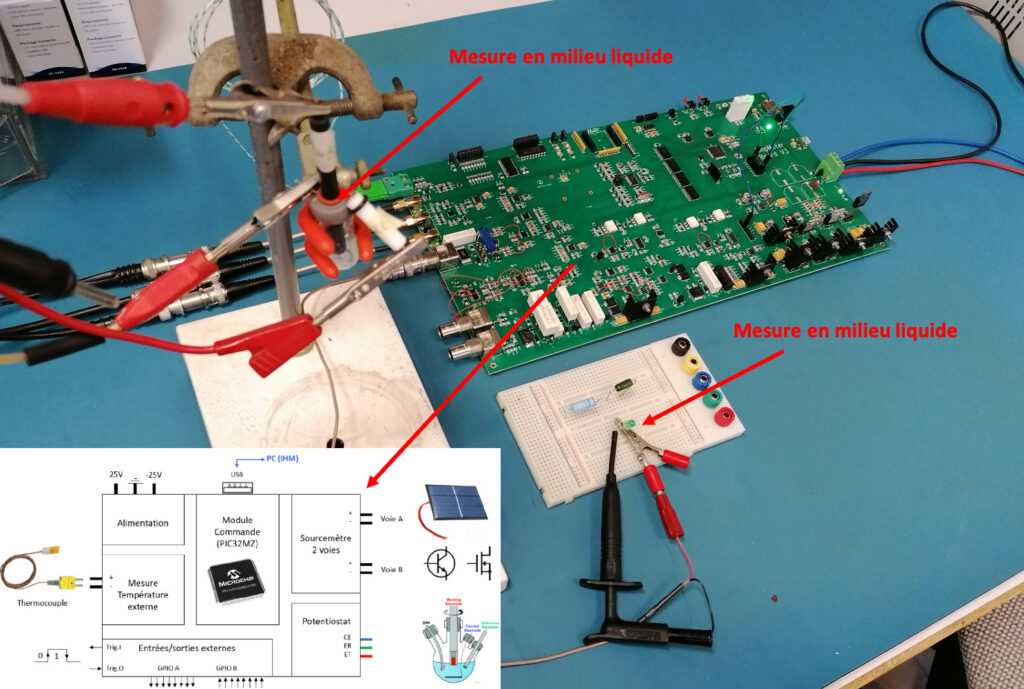
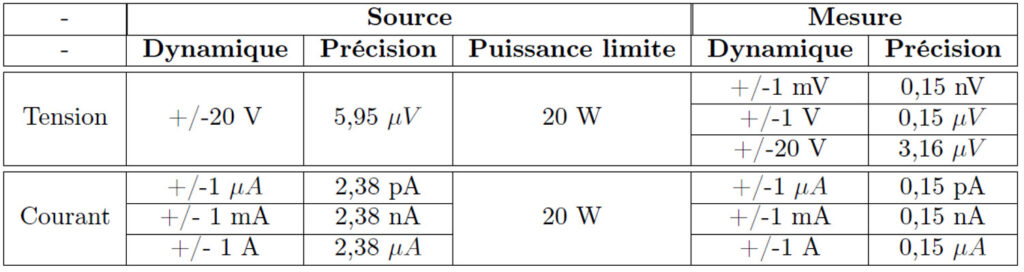
The measurement of a physical property, whether in physics or chemistry, is almost exclusively based on the electrical measurement of a current or a voltage. This requires precise instruments for both voltage and current, with wide source and measurement dynamic ranges, such as a sourcemeter. The iMesure project aims to develop a multifunction measurement device capable of performing electrical characterizations (voltage/current) in liquid media for the characterization of chemical solutions, and in solid media for the characterization of electronic components.
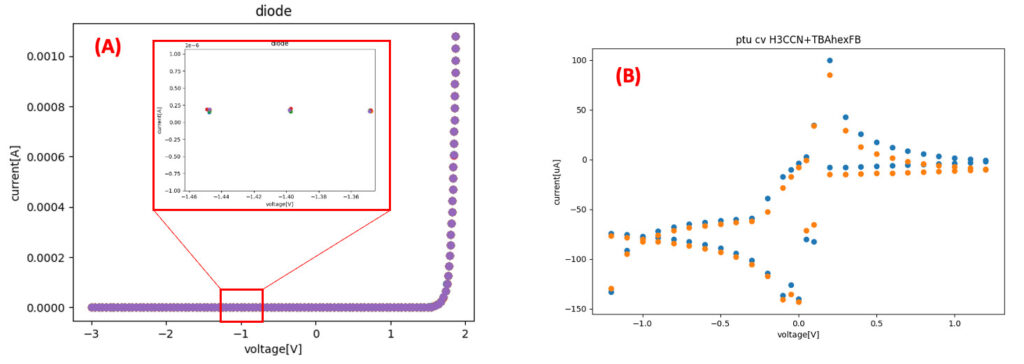
iMesure is composed of several modules: a two-channel sourcemeter module for solid-state characterization; a potentiostat with three electrodes (RE, CE, WE) for liquid-phase characterization; a temperature measurement module based on a thermocouple; 2 × 8 digital input/output channels with two input/output triggers; and finally a power-supply module and a control module based on a PIC32MZ microcontroller. The system can be remotely controlled via the USB bus using a Python library.
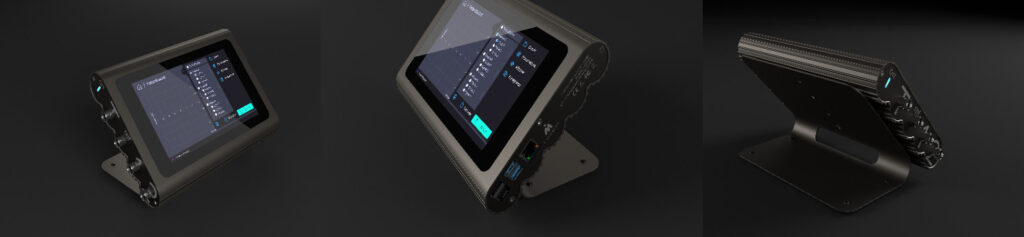
As part of the PocInLab funding, we were supported by the DesignSpot of Université Paris-Saclay, which proposed an ergonomic product design.