

-

Materials, nanomaterials, materials for electronics, energy and heritage materials @ NIMBE
Develop and characterize new materials with unique properties. New materials with original properties. Interdisciplinary activities for the study of materials at different scales Synthesis processes and in situ diagnostics Interface chemistry, phase separation, assembly of microfluidic components… Hybrid and composite systems Producing hybrid or composite materials using innovative synthesis processes Materials of the future for…
-
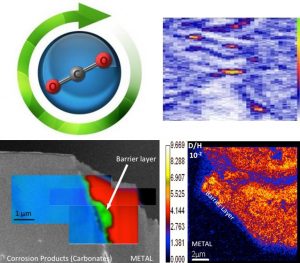
New technologies for energy @ NIMBE
Offering new and original technological advances for the future to address the energy transition to reduce CO2 emissions Materials chemistry and interfaces Molecular or nanoparticle self-assembly at interfaces… Catalysis Storing energy in chemical form and developing a sustainable chemical industry Electrochemistry, operando monitoring, and advanced characterization Electrochemistry for batteries and surface treatment Aging and sustainibility…
-
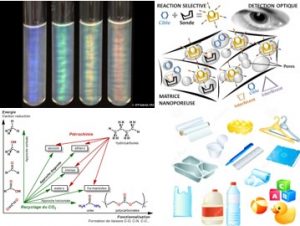
Circular Economy – Environment @ NIMBE
Several of NIMBE’s research areas contribute to the development of tools and methods for analyzing and monitoring our environment, and for proposing solutions to ensure the best possible management of our waste. Recycling and Eco-design Innovative processes and design for materials recycling Environmental remediation Innovative processes for environmental quality Detection and analysis for the environment…
-

Biology and health @ NIMBE
Several NIMBE laboratories carry out research related to biology or health, focusing in particular on the creation of functionalized nanostructures, NMR/MRI analysis, the development of microfluidic techniques, and studies in nanotoxicology. Chemical and biochemical sensors, medical diagnostics Developing sensitive, selective, and effective chemical or biochemical sensors Interfaces, Complex Fluids, and Microfluidics Interface chemistry, phase separation,…